August 9, 2026
The Difference Between Fetishes, Kinks, and Niche Interests
Fetishes, kinks, and niche interests can cover a surprisingly wide range of preferences and creator communities. While these terms are often used together, they do not necessarily describe the same thing. One person may be interested in a particular aesthetic, while another may be drawn to a specific theme, dynamic, or type of creator.
The variety becomes even more noticeable when exploring creator platforms. Someone might start by looking for Latex content and discover an interest in alternative aesthetics, while another person may be more interested in Goth, Alt, or a particular personality-driven creator style.
Understanding the differences between these categories can make it easier to explore content without putting every interest into the same box.
What Is a Fetish?
A fetish usually describes a strong interest or attraction connected to a particular object, material, body feature, or theme. Fetishes can be highly specific, which is one reason there are so many different communities built around them.
For example, some people may be interested in Feet, while others may be drawn to specific materials such as Latex. These interests can exist independently, and having an interest in one does not automatically mean someone will be interested in another.
The creator space reflects this variety. Some creators build their entire online identity around one particular niche, while others combine several interests into a broader personal aesthetic.
For people who want to explore this type of content, browsing by niche can be much more useful than relying only on general searches. You can also explore our best fetish OnlyFans creators to see how different creators approach their individual niches.
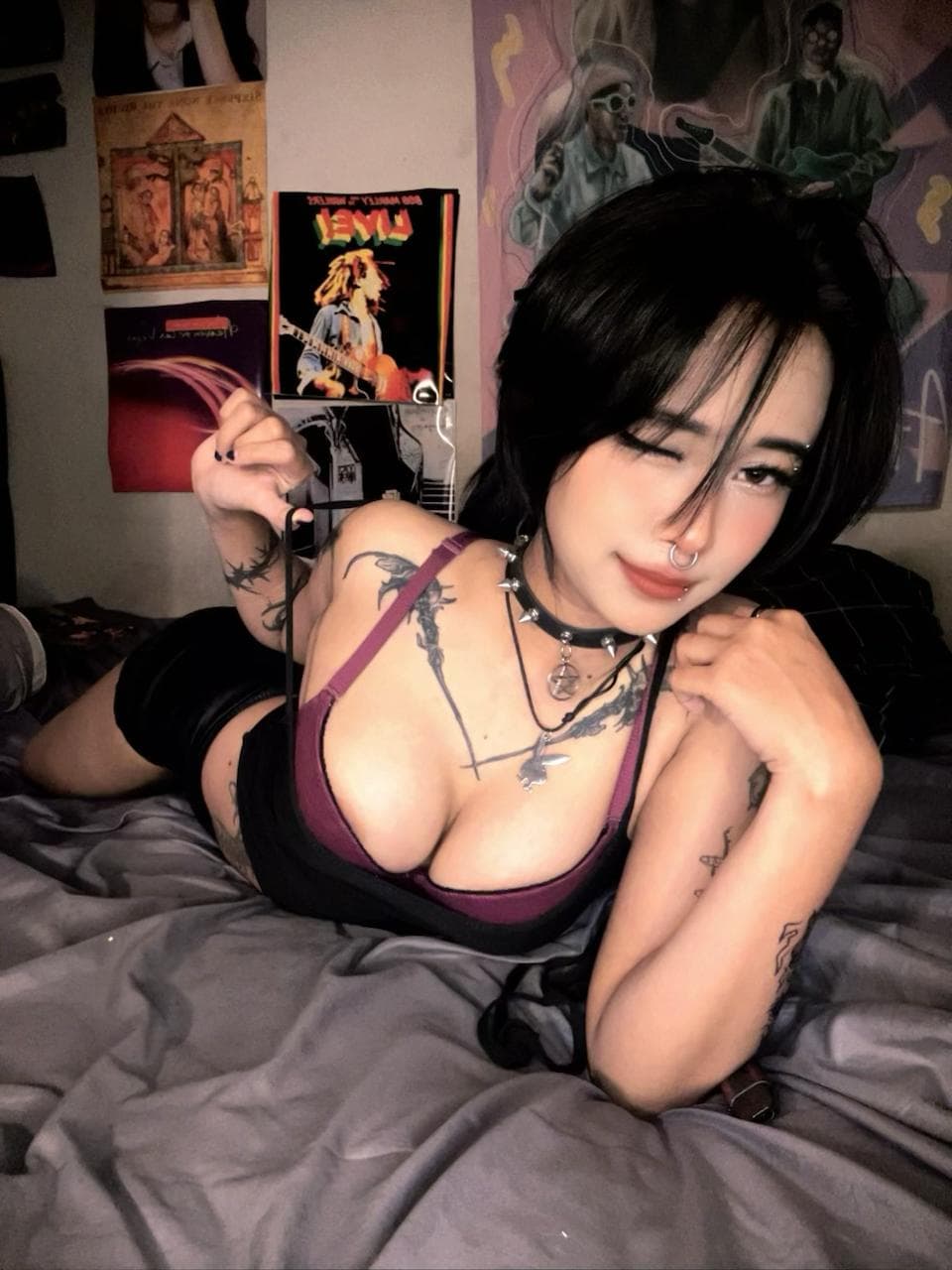
Featured Tattooed Creator
What Is a Kink?
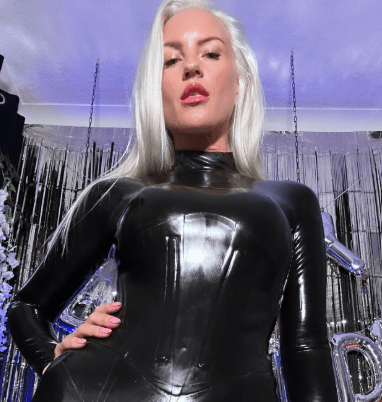
Kink is generally a broader term for interests, preferences, or activities that fall outside what someone might consider conventional. Unlike a fetish, a kink does not necessarily need to focus on one specific object or theme.
Some kink categories are connected to particular dynamics or roles. Femdom, for example, represents a specific type of dynamic, while Findom has its own distinct culture and audience.
Because kinks can be so varied, there is often considerable overlap between different communities. Someone may be interested in one specific dynamic while also enjoying a completely different aesthetic or niche.
This flexibility is part of what makes kink communities so diverse. There is rarely a single definition that applies to everyone, and individual preferences can be much more nuanced than a category name suggests.
Featured Findom Creator
Fetish vs. Kink: What Is the Difference?
Although fetish and kink are related terms, they are not interchangeable in every situation.
A fetish is generally more focused on a particular object, material, feature, or theme. A kink can be broader and may involve a preference, dynamic, scenario, or type of interaction.
The distinction can become clearer when looking at creator categories. A person searching specifically for Feet content may have a very focused interest, whereas someone interested in Femdom may be looking for a particular type of dynamic rather than one specific visual element.
At the same time, categories can overlap. A creator can combine multiple interests and develop a unique niche rather than fitting into one strict definition.
What Are Niche Interests?
Niche interests go beyond fetishes and kinks. A niche can be based on an aesthetic, hobby, personality, fashion style, or particular type of content.
For example, Cosplay can attract people because of the characters, costumes, creativity, and visual presentation rather than because it represents one particular fetish. Similarly, Tattooed creators may appeal to people who simply enjoy a certain alternative aesthetic.
Other niches can be based around appearance or lifestyle. Fitness creators, for example, attract audiences interested in workout-focused content and athletic lifestyles, while Curvy or Petite categories appeal to people with different visual preferences.
This is why niche interests should not automatically be treated as fetishes. A person can enjoy a particular creator aesthetic without that interest being sexual or fetish-based.
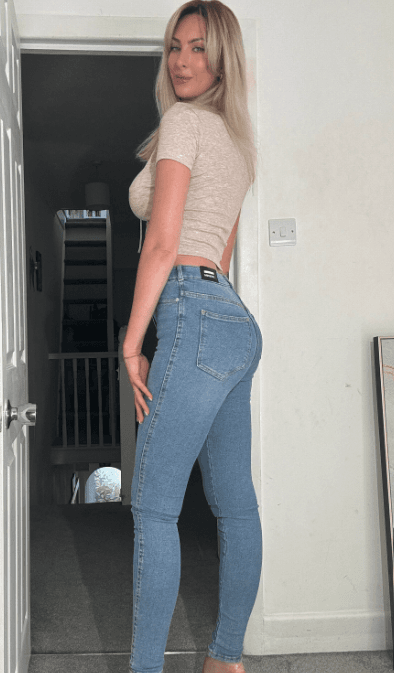
Featured Curvy Creator
How Different Creator Niches Overlap
One of the most interesting parts of online creator communities is how different categories can overlap.
A creator might combine a Goth aesthetic with tattoos and alternative fashion. Another might mix Cosplay with a specific character style. Someone else could combine Fitness content with a particular personality or visual aesthetic.
These combinations allow creators to develop identities that are much more specific than a single category.
The same is true for audiences. Someone may initially discover a creator because of one category and stay because they enjoy the creator's personality, style, or overall presentation.
Aesthetic Niches vs. Fetish Niches
Not every specialized creator category is a fetish. Some categories are primarily visual or lifestyle-based.
Goth and Alt, for example, can describe fashion, music, makeup, personality, or an overall alternative lifestyle. A person interested in these aesthetics may simply enjoy the visual identity and culture surrounding them.
The same applies to categories such as Blonde, Brunette, Redhead, or Tattooed. These can help people find creators whose appearance or style matches their preferences, but they do not necessarily indicate a fetish.
This distinction is useful because it allows people to explore creator communities based on what actually interests them rather than assuming that every niche has the same meaning.
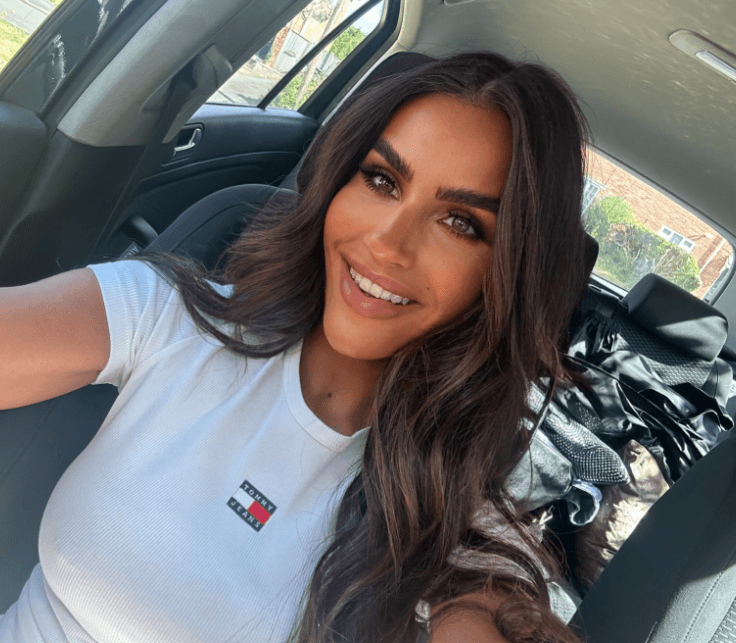
Featured Brunette Creator
Why Personality Can Become a Niche
Sometimes the strongest connection between a creator and their audience has less to do with a particular visual category and more to do with personality.
A GFE style, for example, is centered more around creating a personal and intimate-feeling experience. The appeal can come from communication, personality, consistency, and the overall relationship a creator builds with their audience.
This shows why creator categories can extend beyond appearance. Two creators might look completely different but attract similar audiences because of their personality or the type of experience they offer.
Why Niche Creator Communities Continue to Grow
As more people discover creators online, broad categories are not always enough to describe what someone is looking for.
Niche communities allow creators to build a recognizable identity and connect with audiences who already share a particular interest. This can be especially valuable for creators working within smaller categories that might otherwise be difficult to discover.
For audiences, specialized categories make discovery easier too. Instead of scrolling through unrelated profiles, someone can start with an interest such as Latex, Goth, Cosplay, Feet, or Alt and explore creators who fit that particular style.
Over time, these categories can also evolve as creators combine different aesthetics, interests, and personalities.
Featured GFE Creator
Finding Creators Across Different Niches
There is no single way to explore creator communities. Some people begin with a specific fetish, while others start with an aesthetic, personality type, or general interest.
A directory can make that process more straightforward by organizing creators into recognizable categories. Someone interested in a particular appearance can browse categories such as Blonde, Brunette, Redhead, Petite, or Curvy, while someone looking for a specific style can explore Goth, Alt, Tattooed, or Cosplay creators.
The important thing is that these categories are starting points rather than strict definitions. A creator can belong to several different niches at once, and audiences can discover new interests as they explore.